10 Timeless Home Décor Styles That Never Go Out of Fashion


Introduction to Timeless Decor Styles
The world of home décor is replete with a myriad of styles, trends, and aesthetics that come and go. However, some home décor styles possess an enduring quality, remaining relevant despite the ever-changing landscape of fashion and design. These timeless décor styles are characterized by their ability to adapt and evolve while maintaining a core element that resonates with individuals across different eras. Understanding why certain styles endure can provide invaluable insights for homeowners looking to create a space that is not only visually appealing but also exudes a sense of comfort and serenity.
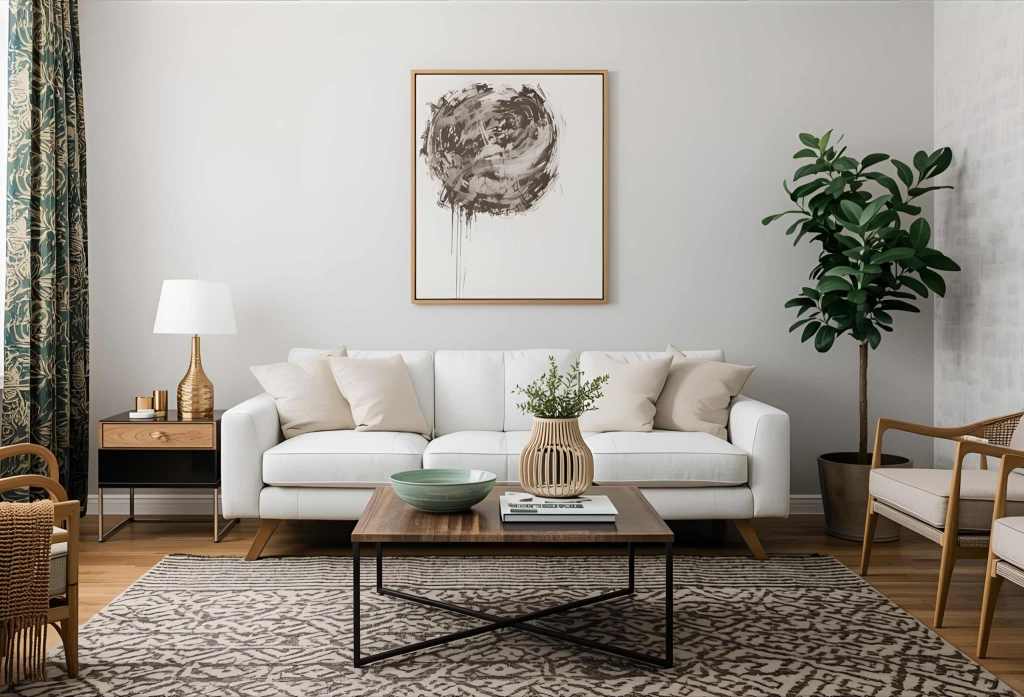
Timeless home décor styles often feature elements that evoke a sense of nostalgia and warmth. They transcend the transient nature of fleeting trends, fostering an environment that feels both familiar and inviting. For instance, classic elements such as clean lines, balanced proportions, and an emphasis on craftsmanship are common attributes found in these enduring styles. By integrating these features into their homes, individuals can curate spaces that reflect personal taste while also standing the test of time.
Another vital aspect of timeless décor styles is their versatility. Styles like traditional, modern, and rustic can be effortlessly blended with one another, allowing homeowners the freedom to experiment with different aesthetics. This adaptability not only ensures that these designs remain relevant but also supports the creation of a uniquely personalized space. Furthermore, timeless home décor styles often prioritize functionality and comfort, making them particularly appealing for everyday living. As we delve into the ten specific styles that define timeless décor, it becomes clear that their popularity persists because they resonate deeply with our collective desire for a stylish yet practical home environment.
Classic Elegance: Traditional Style
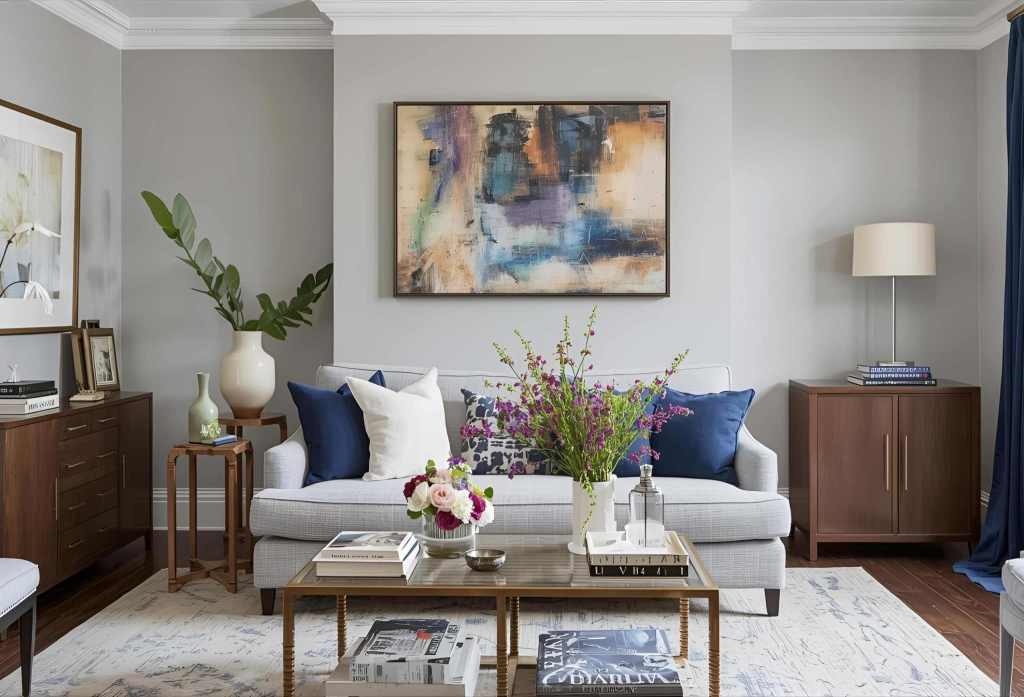
Traditional style in home décor embodies a sense of timelessness and sophistication, making it a popular choice for many homeowners. Characterized by rich color palettes, antique furnishings, and classic patterns, this style draws heavily on historical influences, often reflecting the design aesthetics of the 18th and 19th centuries. Key elements that define traditional décor include intricate moldings, symmetrical layouts, and a remarkable focus on craftsmanship. These features contribute to a serene and cohesive environment that exudes grace and elegance.
One of the hallmarks of traditional style is its use of warm, inviting colors. Deep shades of burgundy, navy blue, and forest green are often employed to create a cozy atmosphere, while neutral tones can provide a balanced backdrop for vibrant artwork and accessories. Textiles play a significant role in this décor style; rich fabrics such as silk, velvet, and brocade are commonly used for upholstery and draperies, reinforcing the overall luxurious feel.
Furniture in a traditional setting is often characterized by its classic silhouettes and ornate details. Well-crafted wooden pieces featuring dark finishes, upholstery with traditional patterns, and elegant chandeliers can significantly contribute to the charm of a space. Emphasis is placed on symmetry, with furnishings typically arranged in a balanced manner, creating a visually pleasing and harmonious layout. Moreover, traditional style incorporates various design elements such as grand fireplaces, detailed cornices, and custom cabinetry, which enhance the overall sophisticated look.
The enduring appeal of traditional décor lies in its ability to create a sense of comfort and familiarity. Homeowners drawn to classic elegance appreciate the storied history and craftsmanship that underlie each element, lending a sense of permanence and meaning to their living spaces. With its focus on quality and detail, traditional style continues to resonate with those seeking a refined and inviting atmosphere in their homes.
The Warmth of Rustic Charm
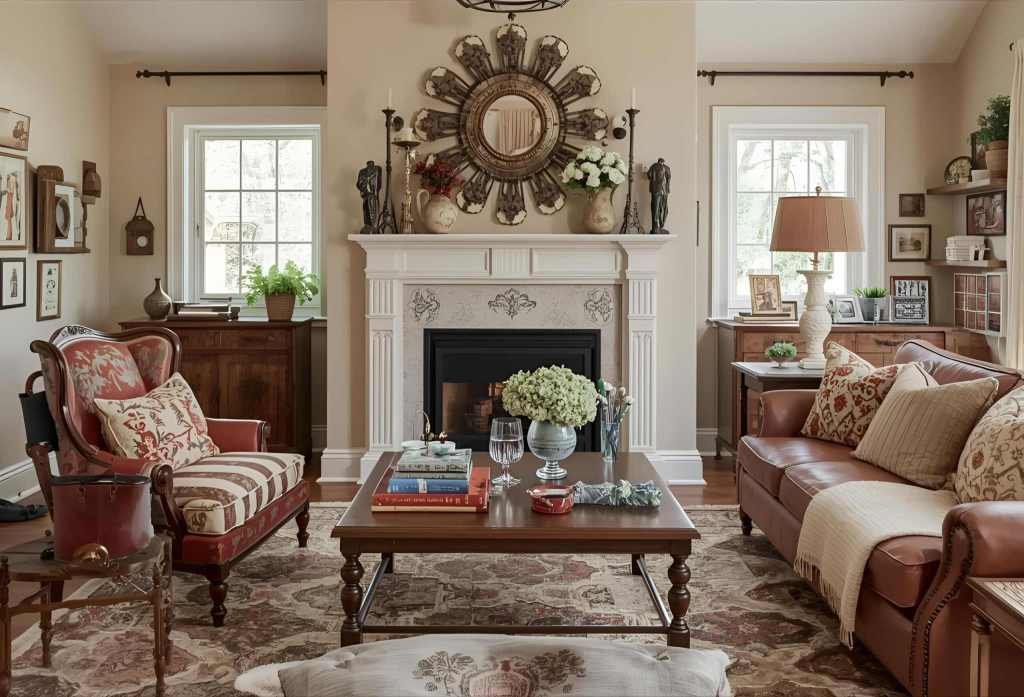
Rustic décor embodies a design aesthetic that celebrates the beauty of natural materials and earthy tones, effectively creating a cozy and inviting atmosphere. This style evokes a retreat into nature, drawing inspiration from outdoor elements that imbue a sense of comfort and warmth into the home. Key features of rustic design include the use of exposed wooden beams, weathered furniture, and stone accents, all of which contribute to a harmonious blend of elegance and simplicity.
One of the hallmarks of rustic décor is its emphasis on using natural materials. Wood, in particular, plays a significant role, allowing the beauty of its grain to shine through in furniture pieces and structural elements. The warmth of wood can be further accentuated by choosing a sustainable timber source that emphasizes both eco-friendliness and durability. Elements such as reclaimed wood, which carries a story of its own, are particularly popular in rustic interiors and help create a unique, inviting space.
Stone accents enhance the rustic charm of any home, whether in the form of natural stone fireplaces, exposed stone walls, or countertops that exude authenticity. These features not only add texture but also unify the interior and exterior, making the home feel tranquil and connected to nature. Additionally, the choice of earthy color palettes further establishes a calming ambiance, invoking shades of browns, greens, and muted yellows that echo the natural landscape.
Another significant aspect of rustic design is the selection of furnishings that prioritize comfort and usability. Sofas and chairs with plush upholstery and large proportions invite relaxation, while decorative elements like handmade pottery and woven textiles add depth and personality. The timeless appeal of rustic décor makes it a fitting choice for a variety of homes, providing a sense of warmth and authenticity that never fades.
Modern Minimalism: Less is More
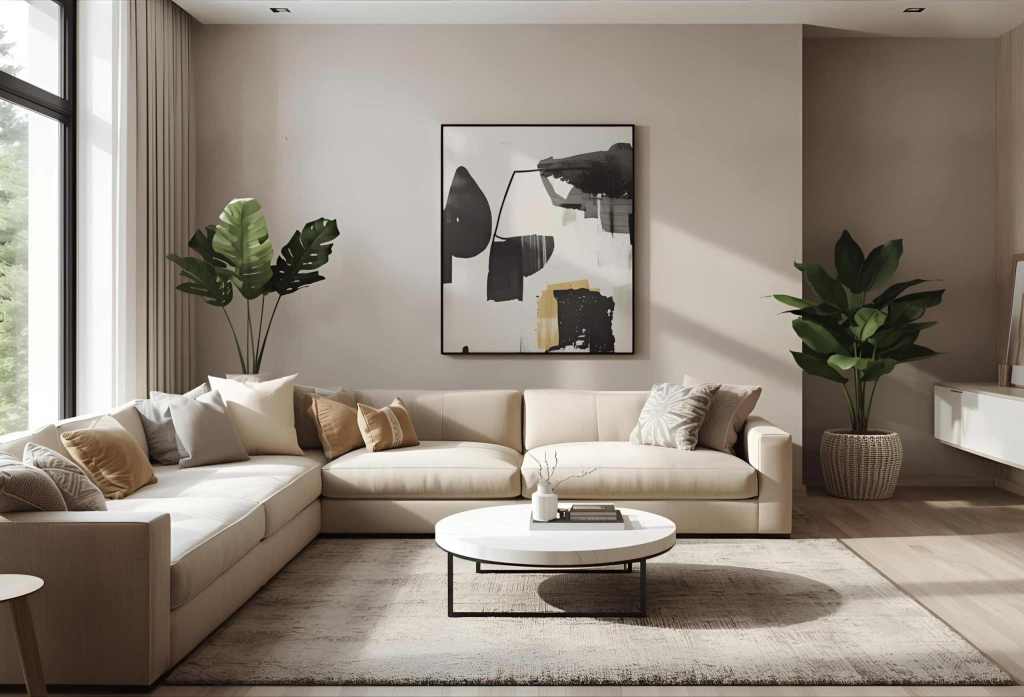
Modern Minimalism stands as a prominent design ethos that emphasizes the principle of “less is more.” This approach is characterized by its focus on simplicity, functionality, and a strong visual statement. The essence of modern minimalism can be seen through its clean lines, open spaces, and carefully curated color palettes. The style often incorporates elements that are stripped down to their fundamental form, promoting a streamlined aesthetic that conveys a sense of sophistication and elegance.
A hallmark of modern minimalism is the abundance of natural light and open areas, which enhances the feeling of spaciousness. By utilizing furniture and décor that are functional yet unobtrusive, this style fosters an environment that is both inviting and calming. The careful selection of a limited color palette—frequently comprising neutral tones such as whites, grays, and beiges—contributes to a cohesive look that resonates with those seeking tranquility within their homes.
This approach to home décor not only results in visually appealing spaces but also encourages a lifestyle centered on mindfulness and intentionality. By minimizing clutter and distractions, modern minimalism facilitates a sense of peace and clarity, making it easier for individuals to focus on what genuinely matters. Adopting this design philosophy often leads to improved mental well-being, as individuals can create a sanctuary that allows them to unwind and feel at ease in their surroundings.
Moreover, the enduring appeal of modern minimalism can be attributed to its adaptability. This style can seamlessly integrate with various elements, allowing it to evolve while maintaining its core principles. As trends come and go, the timelessness of minimalism remains, appealing to those who appreciate the significance of a clutter-free lifestyle and the serenity it promotes in living spaces.
Eclectic Style: A Personal Touch
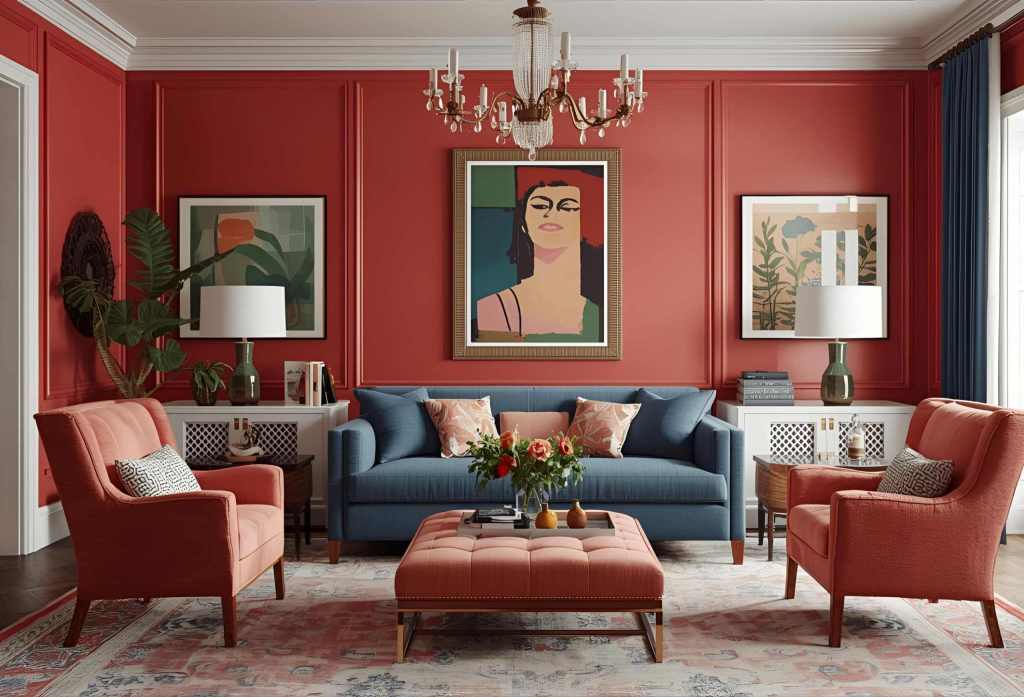
The Eclectic style has garnered significant interest in the realm of home décor, primarily due to its innate ability to reflect one’s personal taste and individuality. This design approach embraces a blend of various aesthetics, characteristics, and influences drawn from multiple design eras. The versatility of the Eclectic style lies in its capacity to harmonize diverse elements—be it bold patterns, vibrant colors, or unique textures—creating a captivating visual narrative that is both stimulating and inviting.
A hallmark of Eclectic style is the strategic mixing of furniture pieces, often combining modern, vintage, and even artisanal items to create a distinctive living space. This mix-and-match philosophy not only provides an engaging visual experience but also offers homeowners the freedom to explore their creativity. For example, pairing a mid-century modern chair with a rustic farmhouse table can yield striking results, showcasing an artful contrast that captures the eye. Furthermore, the integration of personal artifacts such as travel souvenirs, heirloom pieces, or custom artwork allows for genuine expression, ensuring that each room tells a unique story.
Eclectic décor encourages individuals to experiment with their surroundings. Homeowners can layer different textures, such as smooth leather with textured fabrics or shiny metals against matte finishes, to achieve a dynamic aesthetic. Additionally, the incorporation of plants and greenery adds life and warmth, bridging gaps between varying styles. The result is an environment that feels both cohesive and stimulating, an inviting space that transcends traditional design boundaries. It is this factor of personal touch and infinite possibilities that firmly establishes Eclectic style as a timeless choice in home decoration.


