Creating a Cohesive Home Theme on a Budget


Understanding the Concept of Home Themes
A home theme is essentially a design guideline that brings cohesion and harmony to the overall interior decor of a living space. It encompasses the color palette, furniture style, decorative elements, and layout, all working together to create an inviting atmosphere. A well-chosen home theme can significantly enhance the aesthetic appeal of a home, making it both visually pleasing and comfortable for occupants and guests alike. The importance of selecting a cohesive theme can’t be overstated, as it influences not only the appearance of the home but also the emotional experience of those who inhabit it.
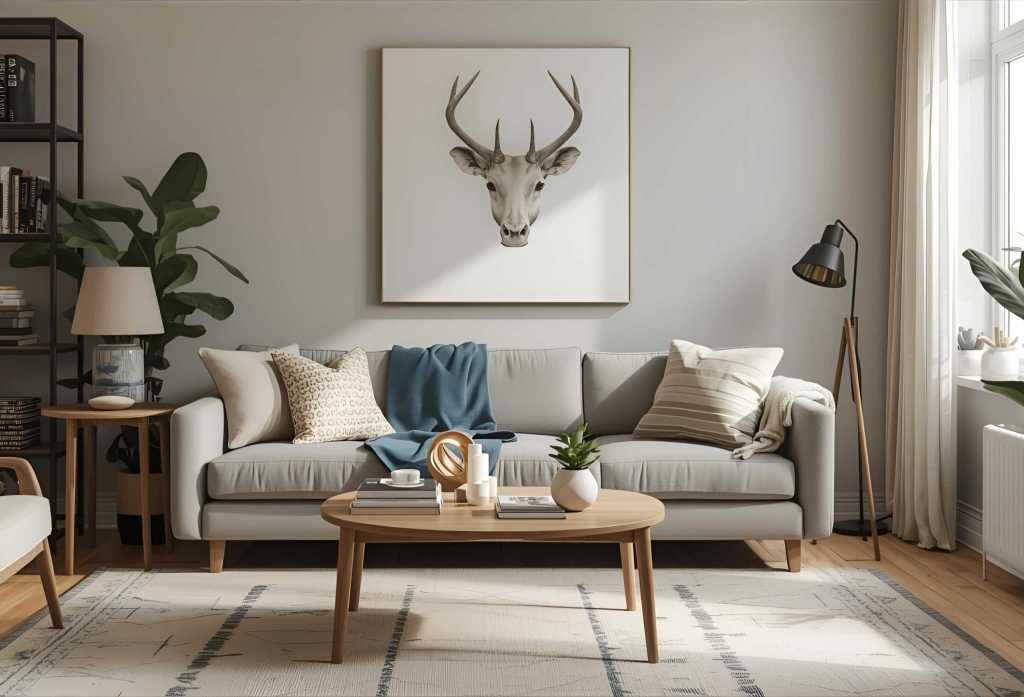
Several home themes can be explored, ranging from modern minimalist designs to more eclectic styles like bohemian or rustic. For instance, a minimalist theme often emphasizes clean lines, neutral colors, and a clutter-free environment, fostering a sense of calm and tranquility. In contrast, a bohemian theme is characterized by vibrant colors, a mix of patterns, and an assortment of textures, creating a warm and inviting space that reflects a rich tapestry of experiences and cultures. Meanwhile, a rustic theme draws inspiration from natural elements, utilizing materials like wood and stone to bring the charm of the outdoors inside.
Choosing the right home theme involves reflecting on personal style and the emotional impact one wishes to create within the space. Factors like lifestyle, the intended use of each room, and even the surrounding environment can guide the decision-making process. It is essential to consider how different themes resonate with individual personality traits and preferences. By aligning the home theme with personal inclinations, the resulting decor will not only look beautiful but also feel authentically representative of those who live there. This comprehensive approach to creating a cohesive home theme can ultimately lead to a harmonious and inviting living space.
Budget-Friendly Tips for Establishing a Theme
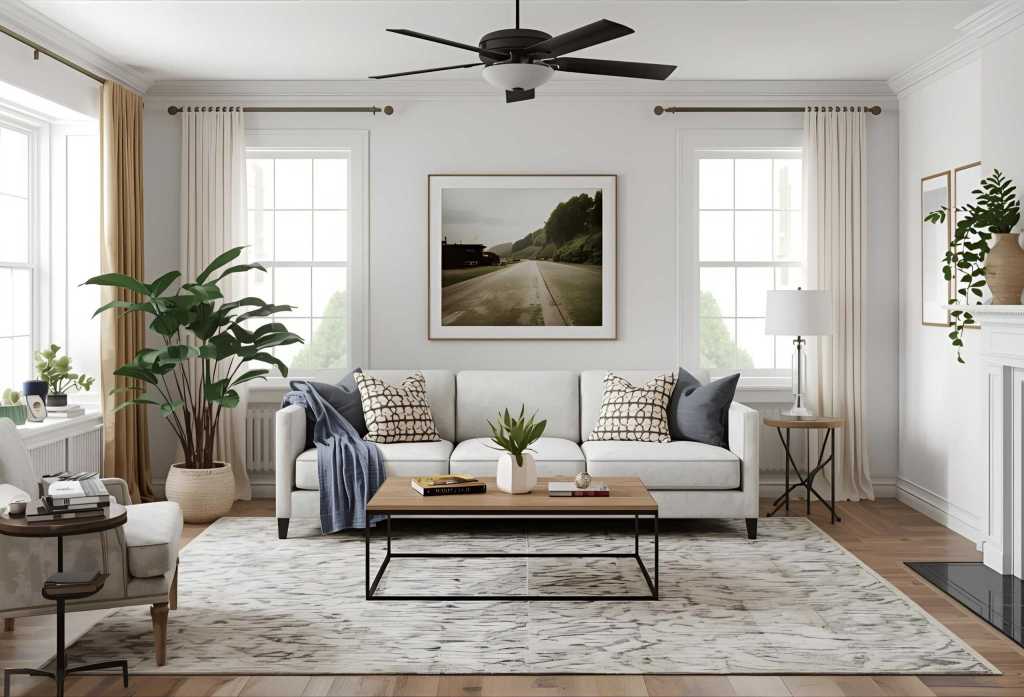
Creating a cohesive home theme on a budget requires creativity and resourcefulness. One effective strategy is to source inexpensive materials from discount stores, online marketplaces, or local buy-and-sell groups. Often, these outlets feature an array of affordable home decor items that can complement your chosen theme. Whether it’s decorative pillows, wall art, or lighting fixtures, these items can help tie the overall aesthetic together without breaking the bank.
Thrift stores are another treasure trove for budget-conscious decorators. Shopping at thrift stores not only lets you find unique pieces but also supports sustainable living. When exploring thrift shops, look for items that can be easily repurposed or imagined to fit your theme. For example, a slightly outdated picture frame can become a trendy wall showing with a fresh coat of paint and a new mat. This not only saves money but also contributes to an individualized touch in your home decor.
Upcycling old furniture is an excellent way to transform the ordinary into the extraordinary. Instead of buying new furniture pieces, consider giving a new lease of life to an existing one through painting, refinishing, or reupholstering. This not only fits your budget but also aligns with the sustainable practices many homeowners are now prioritizing.
When establishing a cohesive theme, focus on key pieces that define your style. Pinpoint a few standout items—like a statement sofa, an artistic coffee table, or a distinctive lighting fixture—that can anchor your design. Incorporating DIY projects can also introduce personalized elements that elevate your space. From homemade wall art to custom shelving, these initiatives can add charm and character to your home while staying within your budget. By adhering to these strategies, you can craft a beautifully coordinated home theme that exudes elegance without excessive expenditure.
Color Schemes and Textures: The Power of Coordination
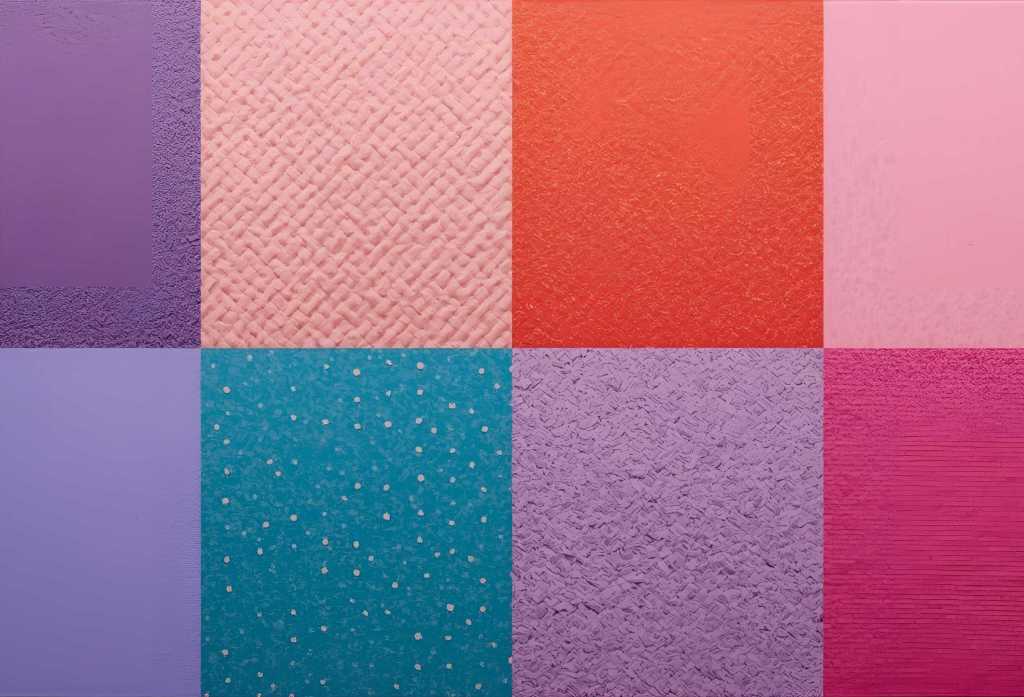
Establishing a cohesive home theme significantly relies on the thoughtful coordination of color schemes and textures. Understanding color theory basics is essential when crafting a harmonious environment. Colors can evoke emotions, influence perceptions, and create focal points within a space. The color wheel serves as a fundamental reference, illustrating relationships between primary, secondary, and tertiary colors. Utilizing complementary colors can produce striking contrasts, while analogous colors yield a more subdued and cohesive appearance.
When selecting a color palette, consider the mood you wish to convey throughout your home. Warm colors, like reds and yellows, can create an inviting atmosphere, while cool colors like blues and greens evoke tranquility. It is helpful to limit your chosen palette to three or four main colors for cohesion, allowing you to introduce variations and accents while maintaining visual harmony.
Moreover, textures play a critical role in enhancing the overall aesthetic of a space. Various textures, from soft fabrics to rugged woods, contribute depth and interest. Integrating different materials, including plush cushions, woven rugs, and textured wall finishes, can create a tactile experience that complements your color scheme. Aim for a balance between rough and smooth textures to avoid a flat or monotonous appearance.
To aid in your coordination efforts, practical exercises involving paint swatches, fabric samples, and decor combinations can be beneficial. Take time to experiment by laying out different color swatches beside one another, observing how they interact with light and space. It is advisable to gather various samples, allowing you to visualize your choices in actual room settings. Ultimately, this process will guide you in cultivating a seamless look that resonates throughout your home, making it not only cohesive but also inviting and personal.
Accessorizing Wisely: Completing Your Home Theme
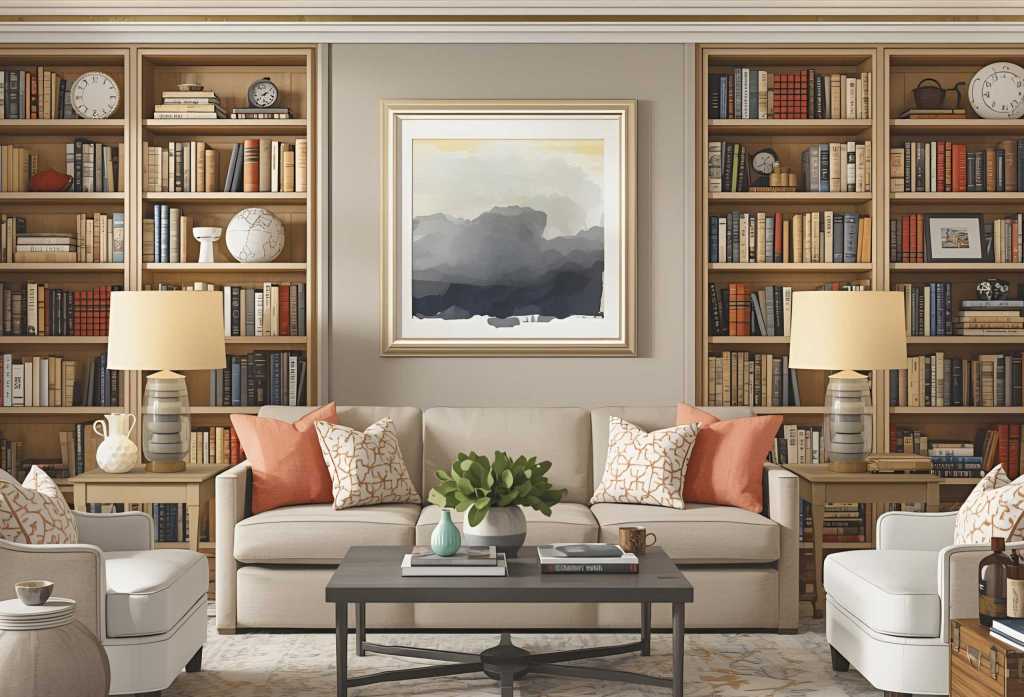
Accessorizing plays a pivotal role in enhancing the cohesive theme of your home. It is the final flourish that brings together various elements of design while allowing for personalization. When selecting accessories, it is advisable to focus on statement pieces that align with your chosen theme. For instance, if your home exudes a minimalist vibe, select a single large artwork or a uniquely designed vase that stands out without overwhelming the space. Such pieces act as focal points, encouraging conversation while also contributing to the overall aesthetic.
Layering accessories can further enhance visual interest. This technique involves juxtaposing different sizes, shapes, and textures, creating depth within your interior space. A well-placed cluster of decorative objects like candles, books, and small sculptures on a coffee table can elevate the area significantly. Similarly, incorporating varying heights for items on shelves or mantels can draw the eye, creating an engaging showcase. Do not overlook the transformative power of plants as well; they add color, texture, and warmth—contributing to both the theme and atmosphere of your home.
Shopping wisely for accessories is vital, especially on a budget. Start by making a checklist of essential items, evaluating what truly resonates with your theme. Thrift stores, online marketplaces, and clearance sections can yield remarkable finds at low prices. Additionally, consider repurposing items you already own—rehanging artwork or using vintage containers for plants can infuse new life into your decor without the expense of buying new pieces. Mixing styles is also acceptable as long as it maintains a balanced harmony. The goal is to create an inspiring environment that reflects your individuality while adhering to a cohesive theme. In conclusion, thoughtful accessorizing can elevate your home, making it a unique reflection of your personality without exceeding your budget.


