The Rise and Impact of Artificial Intelligence in Modern Society


Understanding Artificial Intelligence
Artificial Intelligence (AI) is a multifaceted field of computer science dedicated to creating systems capable of performing tasks that typically need human intelligence. These tasks range from problem-solving and decision-making to language understanding and visual perception. The origins of AI can be traced back to the mid-20th century when pioneers like Alan Turing laid the groundwork for thinking machines. Over the decades, AI has evolved significantly, driven by advancements in technology and a deeper understanding of cognitive processes.

AI can be categorized into two primary types: narrow AI and general AI. Narrow AI, also known as weak AI, refers to systems designed to carry out specific tasks. Examples include virtual assistants like Siri and Alexa, which can execute voice commands, or recommendation algorithms employed by platforms like Netflix and Amazon to suggest content based on user behavior. In contrast, general AI, or strong AI, encompasses systems that have the ability to understand, learn, and apply knowledge in a manner comparable to human cognitive processes. While general AI remains largely theoretical and is a topic of ongoing research, its potential implications are significant.
The backbone of AI technologies comprises several core elements. Machine learning, a subset of AI, enables systems to learn from data and improve over time without explicit programming. Natural language processing (NLP) allows machines to understand and generate human language, which is crucial for applications like chatbots and language translation tools. Neural networks, modeled loosely on the human brain, consist of interconnected nodes that process information in a manner that allows AI systems to recognize patterns and make predictions effectively. Together, these technologies create a robust framework for the development of intelligent systems that are increasingly integrated into our daily lives.
Applications of AI Across Various Industries

Artificial Intelligence (AI) has become an integral part of many industries, contributing to significant advancements and transforming how organizations run. In the healthcare sector, AI is playing a crucial role in diagnostics and patient care. For example, AI algorithms analyze medical images, like X-rays and MRIs, with remarkable accuracy, assisting doctors in detecting diseases at early stages. Companies like Zebra Medical Vision leverage deep learning to find anomalies, which can lead to more prompt and effective treatments.
In the finance industry, AI enhances decision-making through predictive analytics and risk assessment. Financial institutions use AI-driven algorithms to detect fraudulent activities in real-time, thereby protecting consumers and securing assets. Firms like PayPal use machine learning models to scrutinize deal patterns, enabling them to flag suspicious behavior. Furthermore, automated trading systems are reshaping investment strategies by executing trades at optimal times based on market data analysis.
The educational landscape is also experiencing a transformation due to AI applications. Personalized learning platforms, powered by AI, adapt to individual students’ learning styles and paces. For example, Khan Academy employs AI to tailor lessons, helping students grasp complex subjects more effectively. Additionally, AI chatbots offer instant support for students seeking answers to their queries, thereby enhancing the overall learning experience.
Transportation has not been left behind in the AI revolution. Autonomous vehicles, incorporating AI and machine learning technologies, aim to improve safety and efficiency on the roads. Companies like Tesla use advanced driver-assistance systems (ADAS) to analyze surrounding environments and make real-time driving decisions. This innovation not only promises reduced accidents but also the potential for reshaping urban transportation and infrastructure.
While the benefits of AI applications in these industries are clear, it is important to consider the potential challenges and ethical concerns that go with its implementation. Issues like data privacy, algorithmic bias, and the risk of job displacement need thoughtful discussion and regulation to make sure AI contributes positively to society.
The Future of AI: Trends and Predictions

The trajectory of artificial intelligence (AI) appears to be heading towards unprecedented growth and integration into daily life. Current trends show significant advancements in AI technologies offering extensive capabilities across various domains. One of the standout developments is the rise of machine learning algorithms that allow systems to learn from vast datasets, significantly improving their accuracy and performance. As AI continues to evolve, we can expect an increased presence in creative fields, for example, art, music, and literature, where machines are not merely tools but co-creators, providing unique outputs that challenge traditional notions of creativity.
Moreover, the emergence of autonomous systems is transforming multiple industries, including transportation, healthcare, and logistics. AI-driven vehicles have the potential to revolutionize mobility, creating safer and more efficient transportation networks. In healthcare, AI technologies can help diagnostics, leading to quicker and more precise patient care. These advancements raise questions about their societal implications, particularly regarding job displacement. As AI takes over various tasks traditionally performed by humans, it is crucial to consider the economic ramifications and the need for reskilling the workforce to adapt to this new landscape.
Privacy concerns also loom large in the discussions around AI’s future. The increasing ability of AI systems to analyze personal data raises ethical questions about consent and how information is utilized. Striking a balance between innovation and privacy protections will be imperative. Furthermore, the ongoing debate about AI ethics underscores the need for guidelines that guarantee AI technologies are developed and deployed responsibly, addressing issues like bias, accountability, and transparency.
In conclusion, as artificial intelligence continues to advance and permeate various aspects of life, the implications of these changes will need thoughtful consideration and proactive measures to maximize benefits while mitigating challenges.
Preparing for an AI-Driven World
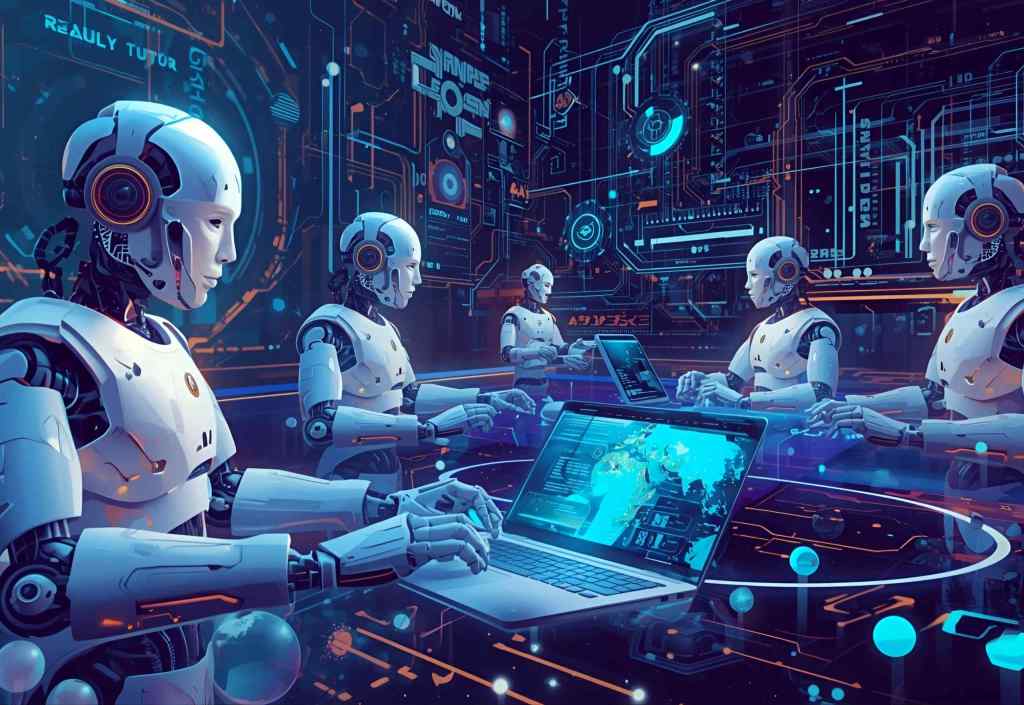
As artificial intelligence (AI) continues to reshape various aspects of modern society, it becomes imperative for individuals and organizations to prepare for the profound changes it brings. The integration of AI into daily life and operational frameworks presents both challenges and opportunities. To effectively navigate this new landscape, stakeholders must focus on acquiring relevant skills that align with emerging technologies. Reskilling and upskilling will be essential, particularly in areas like data analysis, machine learning, and AI ethics, to stay competitive in the evolving job market.
Staying informed about ongoing developments in AI is equally crucial. This entails actively engaging with reputable sources of information, attending conferences, and participating in online courses or workshops. By doing so, individuals can gain a deeper understanding of the capabilities and limitations of AI technologies, which equips them to make informed decisions in personal and professional settings. Organizations should foster a culture of lifelong learning to encourage their workforce to embrace the changes linked to AI fully.
Adapting to changes in the job market requires flexibility and an open mindset. As AI automates routine tasks, workers find themselves transitioning to new roles that demand creativity, emotional intelligence, and strategic thinking. Thus, cultivating a versatile skill set will be beneficial. It is also essential for businesses to recognize and mitigate the potential displacement of workers by investing in retraining initiatives and developing career transition support.
Ethical considerations play an important role in AI deployment. Organizations and individuals alike must advocate for responsible AI practices that promote fairness, transparency, and accountability. Policymakers have a significant responsibility in regulating AI technology to guarantee its alignment with societal values. By fostering a collaborative approach that includes diverse stakeholders in shaping AI regulations, society can develop frameworks that safeguard human rights while embracing innovation.
In conclusion, preparing for an AI-driven world involves continuous learning, ethical reflection, and proactive adaptation. By equipping themselves with the necessary skills and insights, individuals and organizations can thrive in an environment increasingly shaped by artificial intelligence.


