The Ultimate Room-by-Room Decorating Checklist for Your Home


Introduction: The Importance of a Well-Decorated Home
Creating a well-decorated home is essential for establishing an environment that reflects both functionality and individual personality. The aesthetic appeal of a living space plays a crucial role in fostering a positive mood and enhancing the overall ambiance within a household. Each room in a home serves a unique purpose, and thoughtfully considering decoration can elevate not only the visual impact but also the psychological well-being of its inhabitants.

The process of decorating a home can significantly influence how one feels within the space. When a room is carefully designed with an eye for detail, it can promote relaxation and comfort, encouraging individuals to unwind after a long day. Conversely, a poorly decorated space evoke feelings of chaos or discomfort, which can affect daily interactions and overall mental health. Thus, the importance of home decoration transcends mere aesthetics; it is a matter of creating an inviting environment that supports mental clarity and emotional balance.
Additionally, a well-decorated home acts as a reflection of personal identity. Each design choice—from color palettes and furniture styles to decor accents—tells a story about who lives there and what they value. This expression of self is not only fulfilling for homeowners but also makes for an engaging experience for guests and visitors. Hence, understanding the elements of effective decoration can lead to more curated and meaningful living spaces.
This blog post offers a comprehensive checklist that serves as a practical guide during the decorating journey. By using this checklist, readers can guarantee that each room is aligned with their personal style while also enhancing the functionality of their living spaces. Ultimately, a well-decorated home is not just about beauty; it’s about creating a sanctuary that embodies comfort and harmony.
Living Room: Creating a Welcoming Space
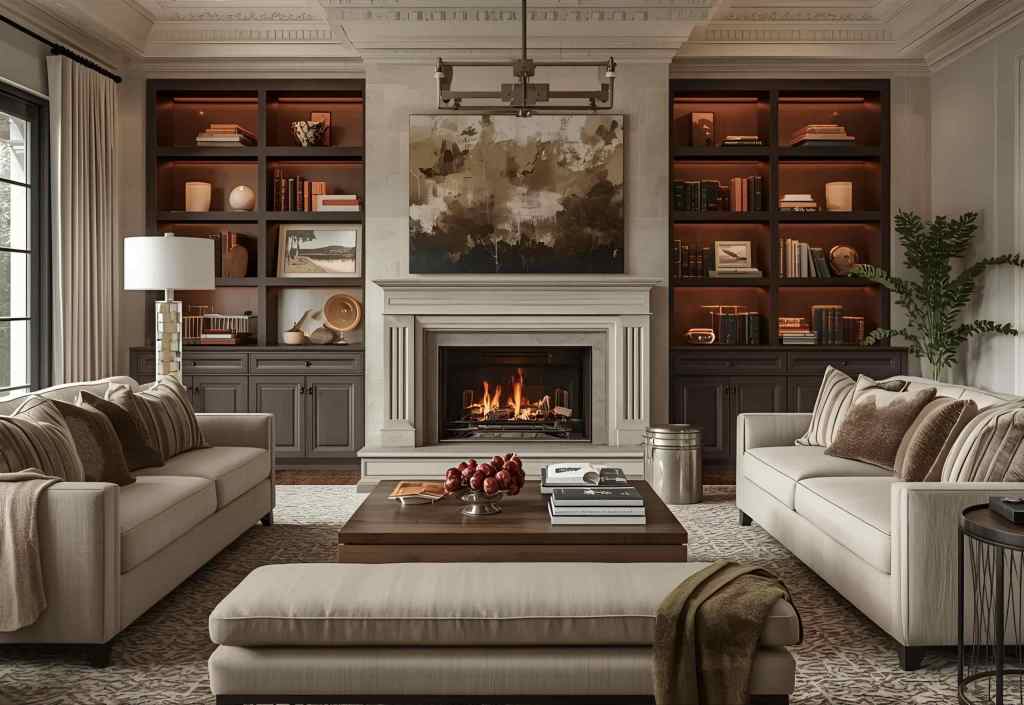
The living room serves as the heart of the home, where family members gather and guests are welcomed. To create an inviting atmosphere, it is vital to consider several key elements in the decorating process. First and foremost, furniture choice plays a crucial role. Emphasize comfortable seating arrangements, like sofas and chairs, that encourage conversation. Additionally, consider the scale of the furniture compared to the room size; oversize furniture can overwhelm a small space, while minimal pieces get lost in a large room.
Color schemes significantly impact the mood of your living room. Choosing a cohesive palette that reflects your personal style allows for a harmonious look. Neutral tones can create a calming environment, while bold colors infuse energy. Incorporating accent walls or colorful throw pillows can also add visual interest without overwhelming the space.
Lighting options should not be overlooked, as they contribute to the overall ambiance. A combination of ambient, task, and accent lighting tends to work best. Ceiling fixtures, floor lamps, and table lamps can be strategically placed to enhance the room’s functionality while adding warmth. Make sure the living room is well-lit for entertaining or relaxing, and use dimmers to adjust the mood as necessary.
Decorative accessories, like area rugs, curtains, and artwork, play an integral role in personalizing your space. Select pieces that show your personality, whether through family photos, unique art collections, or meaningful souvenirs. Incorporate various textures and patterns to create a layered look that feels inviting and homey. Finally, make sure that the layout promotes flow; keep clear pathways and arrange furniture that facilitates conversation. By carefully considering these elements, your living room will become a welcoming sanctuary for all.
Bedroom: Designing a Personal Sanctuary

The bedroom is often considered the most intimate space within a home, serving as a personal sanctuary for relaxation and rejuvenation. When designing this area, it is essential to focus on comfort and functionality while also reflecting individual aesthetics. The first step in creating a restful bedroom is selecting the right bed and bedding. A quality mattress that supports your sleeping position is paramount for achieving restful sleep. Additionally, opt for soft, breathable bedding materials like cotton or linen, and consider layering with cushions and throws to enhance warmth and texture.
Lighting plays a crucial role in establishing the right ambiance within the bedroom. A combination of ambient, task, and accent lighting is advisable. Consider bedside lamps with adjustable brightness, as they allow for both reading and relaxation. Dimmers can also be an excellent addition, enabling you to adjust the light according to the time of day or your mood. For a more tranquil environment, it is beneficial to incorporate natural light through sheer curtains, promoting a connection with the outdoors.
Another vital aspect to consider is storage solutions that promote an organized, clutter-free space. Use under-bed storage or integrate multi-functional furniture, like ottomans with hidden compartments or bedside tables with drawers. This strategic approach minimizes visual clutter and contributes to a serene atmosphere.
The choice of colors can significantly impact the overall feel of the bedroom. Calming hues like soft blues, greens, or neutral tones can foster an ambiance conducive to relaxation. Incorporate personal touches through decorative elements that resonate with your style, like artwork, photographs, or handcrafted items, creating a unique sanctuary that embodies comfort and peace.
Kitchen and Dining Areas: Functionality Meets Style

The kitchen and dining areas are integral spaces in a home, where functionality and aesthetic appeal must converge to create a pleasant environment. Effective layout design is paramount; the arrangement of appliances, countertops, and storage should help smooth workflows. A well-planned kitchen triangle, where the stove, sink, and refrigerator form a triangular workflow, enhances cooking efficiency and reduces unnecessary movement. This careful consideration of layout not only improves functionality but also elevates the overall cooking experience.
When it comes to appliances, selecting those that harmonize with the decor is essential. Opt for appliances that feature complementary colors, finishes, and styles that align with the chosen theme of the kitchen. Stainless steel enhances a modern look, while retro appliances may suit a vintage vibe. Regardless of the style, the key focus should be on blending functionality with visual appeal. Additionally, consider energy-efficient options that contribute to sustainability while providing convenience.
Storage solutions also play a critical role in maintaining a tidy and organized kitchen. Use cabinets and shelving that integrate seamlessly with the overall design, while also offering practicality. Open shelving can show attractive dishware, while closed cabinets can keep clutter hidden. Incorporating baskets or decorative bins not only adds style but also assists in storing items efficiently. In the dining area, a cohesive look can be achieved by carefully selecting table settings, which include dishware, linens, and centerpieces that mirror the overall decor.
Lastly, lighting is a vital part in creating an inviting atmosphere for both family meals and entertaining. Adjustable lighting fixtures allow for versatility, transitioning from bright task lighting during food preparation to softer ambient light for dining. By thoughtfully considering these elements in the kitchen and dining areas, homeowners can successfully balance practicality with style, resulting in spaces that are both welcoming and efficient.


